

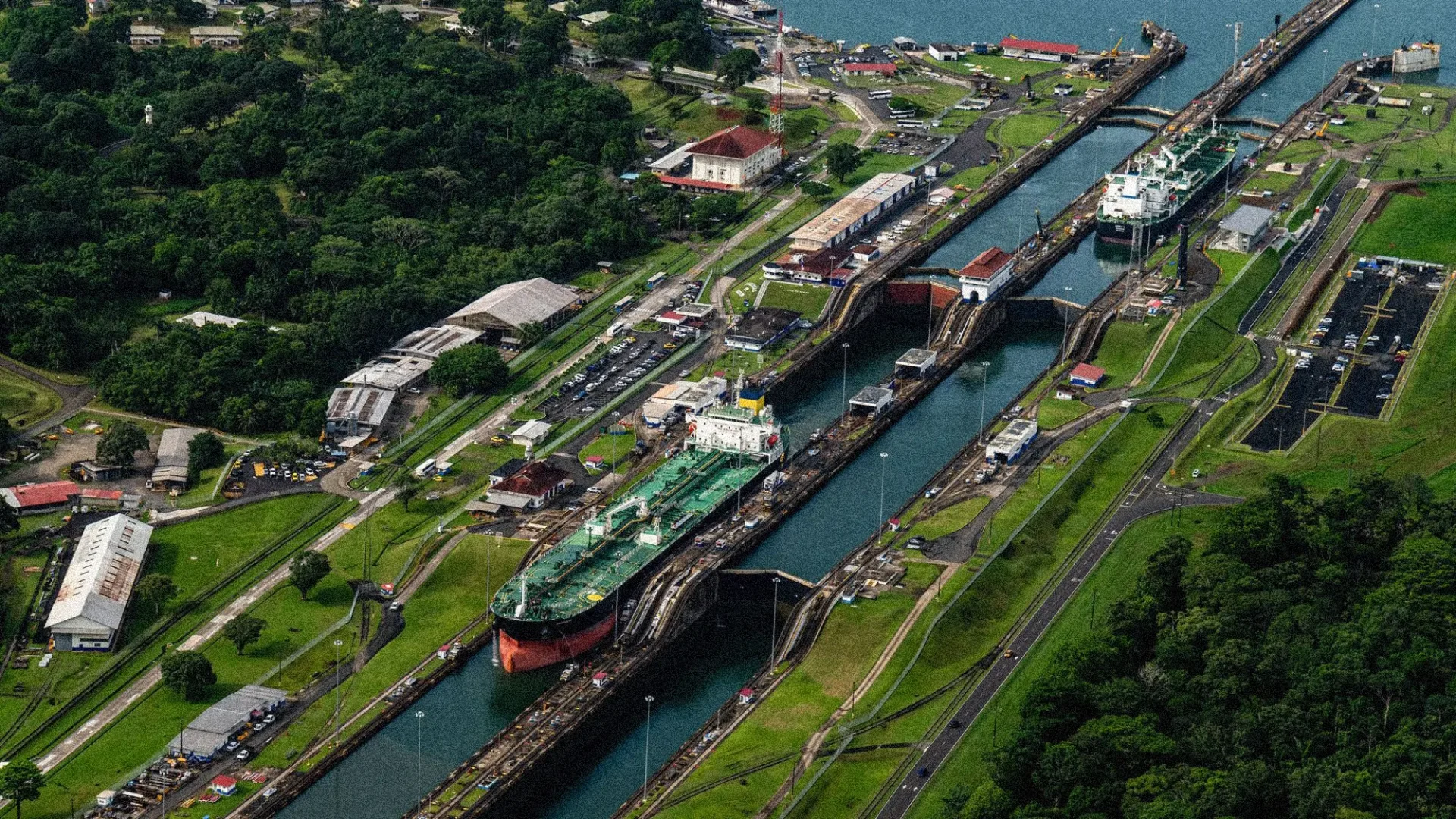
The beginning of 2026 brings a major adjustment in how access to the Panama Canal is managed. The Panama Canal Authority (ACP) launched LoTSA 2.0, an enhanced version of its long-term slot allocation program, introducing a different planning logic for canal transits.
The new framework organizes slot allocation into six-month cycles, with the first running from January 4 to July 4, 2026. Unlike more reactive mechanisms, LoTSA 2.0 aims to align canal access with longer planning horizons, in line with how services, fleet deployment, and commercial commitments are structured today.
From the ACP’s perspective, this update responds to a more volatile and demanding operating environment. Transit demand is less predictable, misalignment costs are higher, and short-term management no longer provides the certainty that today’s supply chains require. LoTSA 2.0 thus formalizes an approach where predictability is built in advance, not left to last-minute adjustments.
The change is significant. Securing passage through the canal now depends less on immediate conditions and more on the ability to plan within defined windows. For carriers, it means aligning services and capacity earlier. For shippers, it introduces a new strategic variable: canal access must be managed as part of logistics design, not as an assumed step.
In routes where Panama serves as a key node, especially in flows between Asia, the U.S. East Coast, and Latin America, this logic affects itinerary construction, transshipment coordination, and inventory management. Planning becomes more structured and allows less room for improvisation.
For countries like Ecuador, the message is clear: the Panama Canal remains a central route, but effective use in 2026 increasingly depends on anticipation, visibility, and operational discipline. Evaluating early, securing slots, and adjusting commitments is now part of routine logistics planning.
LoTSA 2.0 doesn’t introduce a sudden disruption, but it does consolidate a fundamental shift. In 2026, crossing the Panama Canal remains possible, but it is no longer assumed. It must be planned.